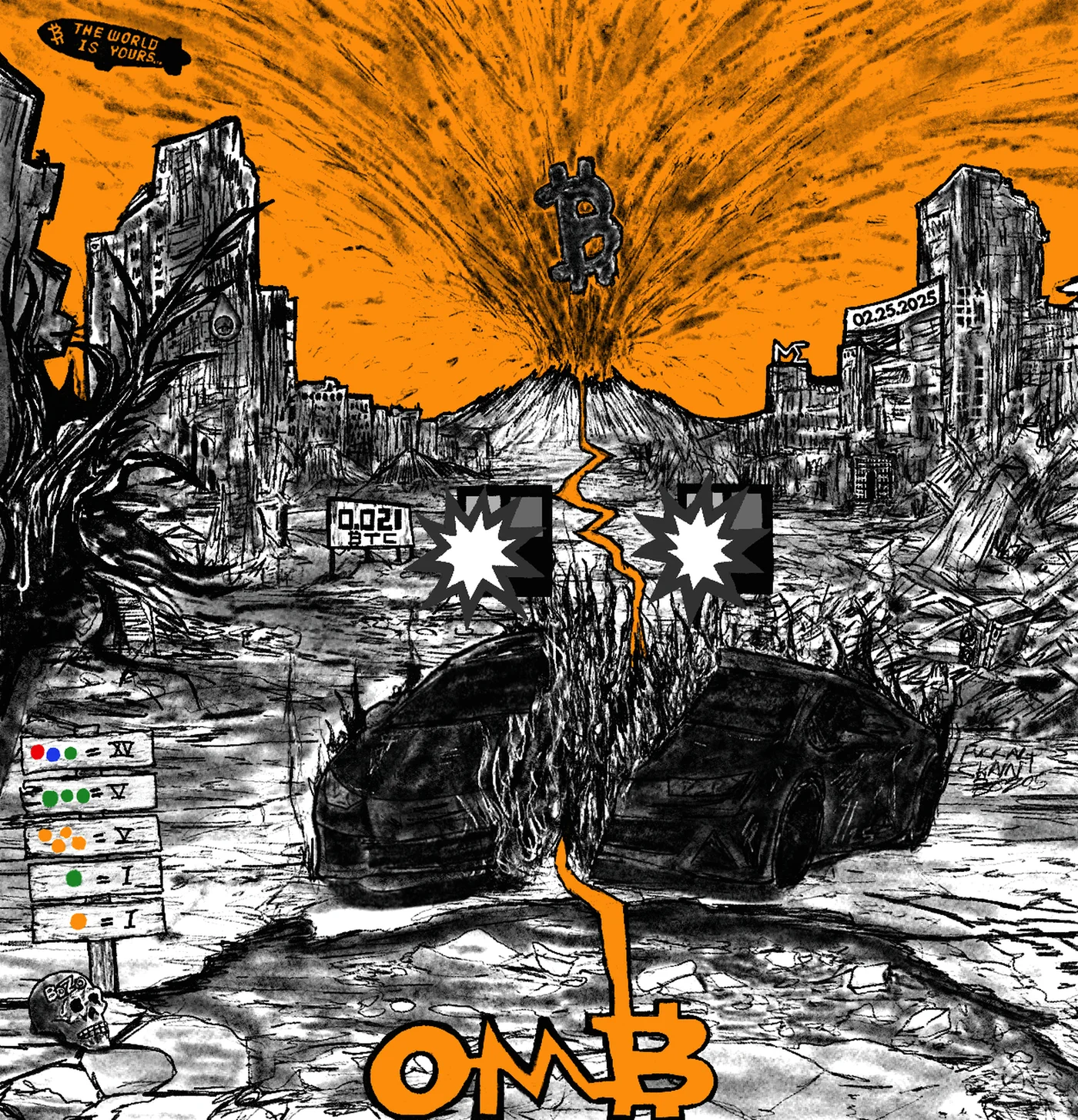
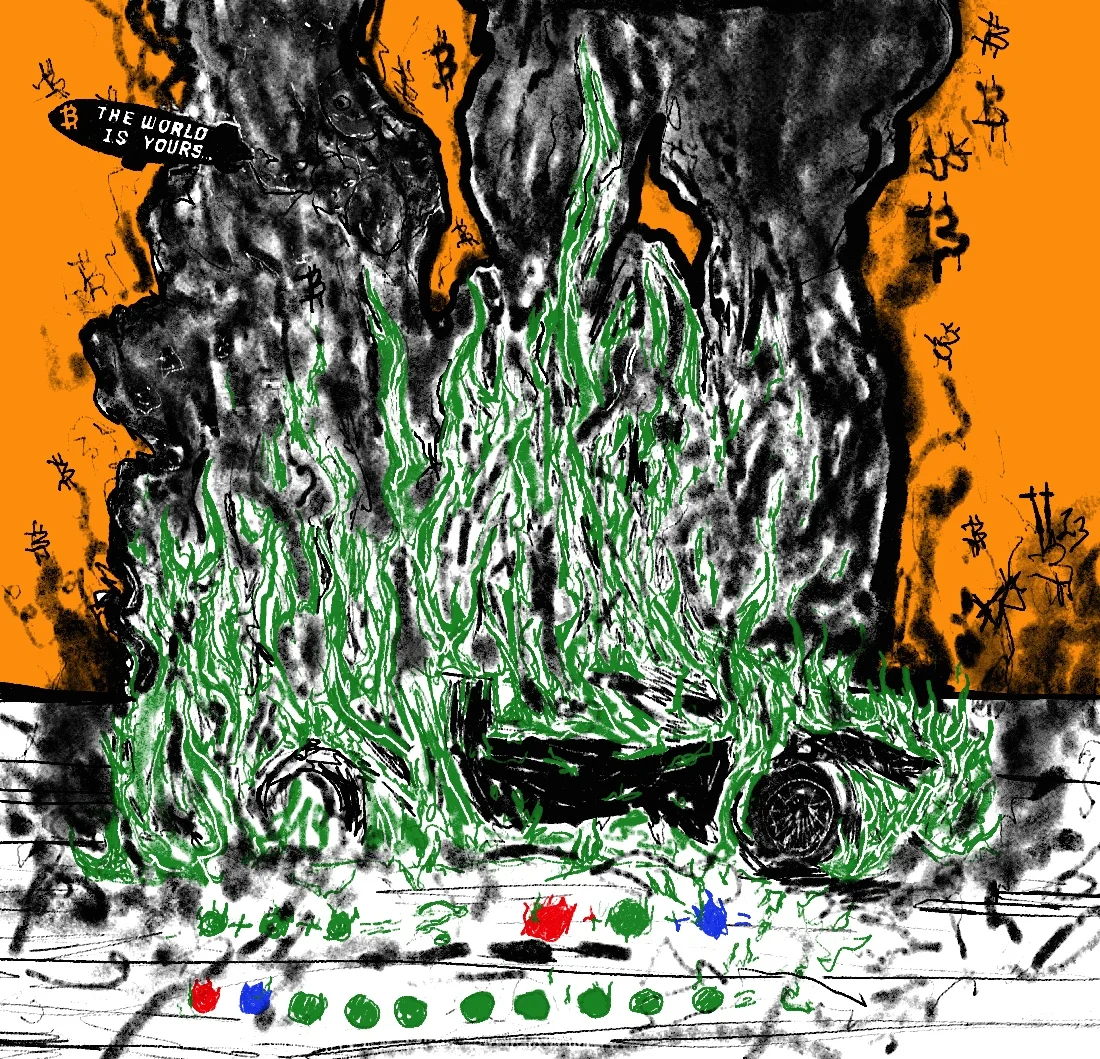
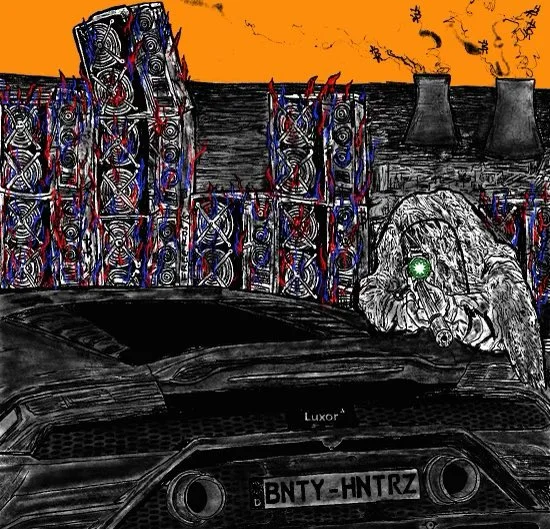
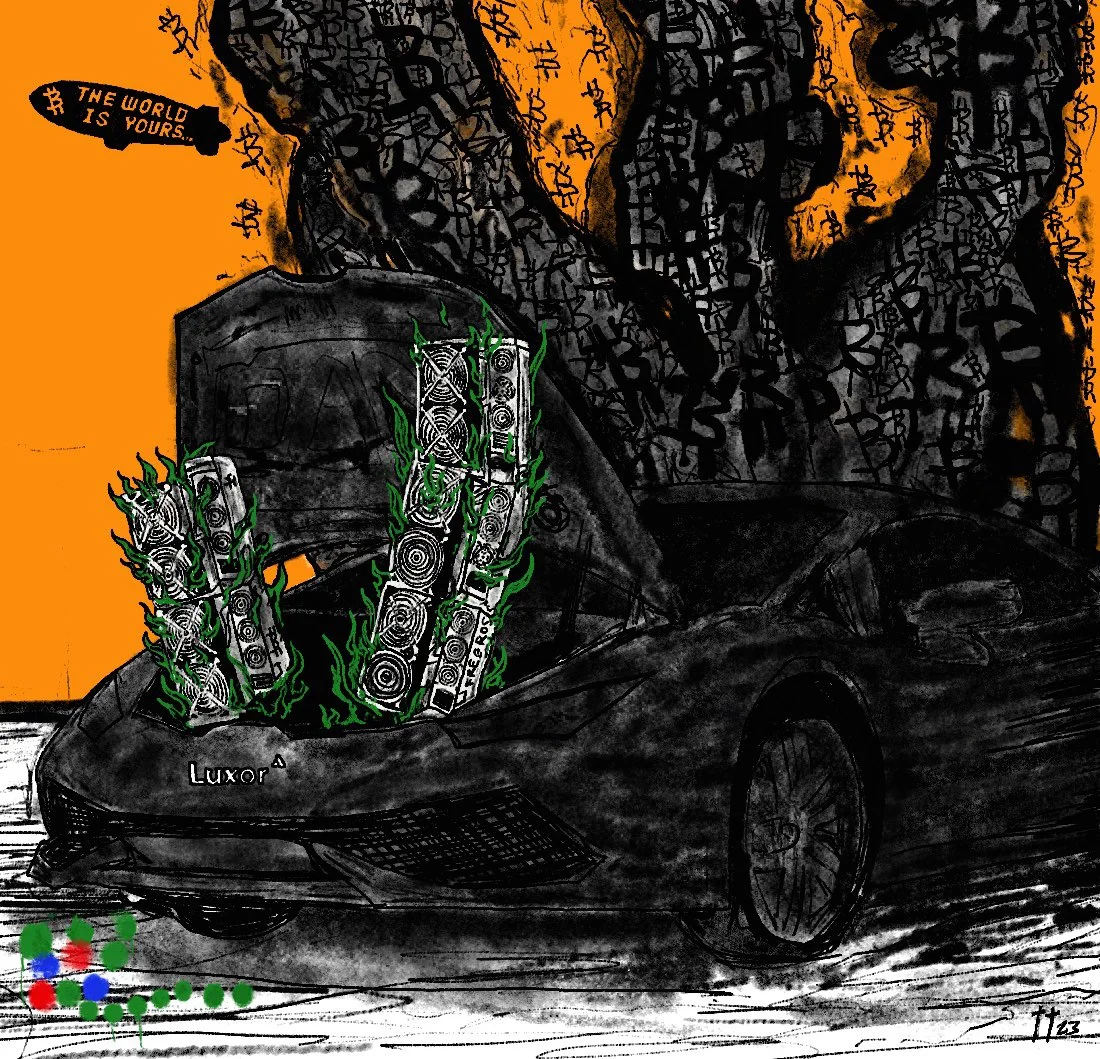
The chain kept the record.
Hal Finney was the first person to receive bitcoin from Satoshi Nakamoto.
He mined block 78.
He died on 28 August 2014.
His body remains cryopreserved in liquid nitrogen, in Arizona. Waiting.
The satoshis survived.
Some became art.
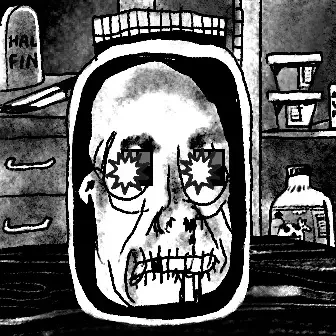
The first man Satoshi ever paid — preserved, in ink, on Satoshi’s own coin.
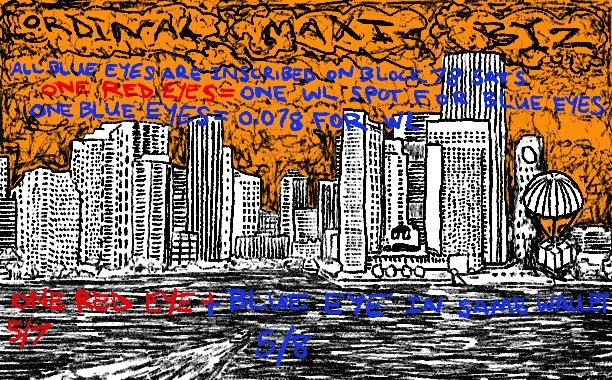
Each image below is delivered from the inscription itself via an ordinals node, referenced by the collection’s on-chain gallery. Click any piece to open its inscription record.
9,000 drawings. 9,000 one-of-ones.
No generative engine. No trait machine. No algorithm.
Every line was made by Tony Tafuro. Every artifact was committed directly to Bitcoin.
No server hosts the work. No company controls it. The artifact is the chain.
Numbered sats. In January 2023, ordinal theory gave every satoshi an identity — a serial number assigned by mining order, trackable forever. Sats from historic blocks — mined by Satoshi, by Hal Finney — became identifiable, holdable relics of the genesis era.
The witness. An inscription writes an artwork permanently into the witness of a taproot transaction — consensus-protected space, replicated on every full node on earth. No pointer, no IPFS, no promise.
Bearer artifacts. Controlled by keys, transferred like the coin it rides on. No platform, no enforced royalties, no administrator. The work is licensed CC0 — it belongs to the chain and to everyone.
Photographer. Painter. Documentarian of subcultures. Tafuro is a 2012 Parsons BFA who first made his name photographing Barrier Kult, the masked black-metal skate crew — work one critic described as having “the controlled violence of a skater attacking a ramp.” His path runs through skateboarding, punk, metal and underground communities: documented with an ethnologist’s precision, repainted with raw, gestural urgency.
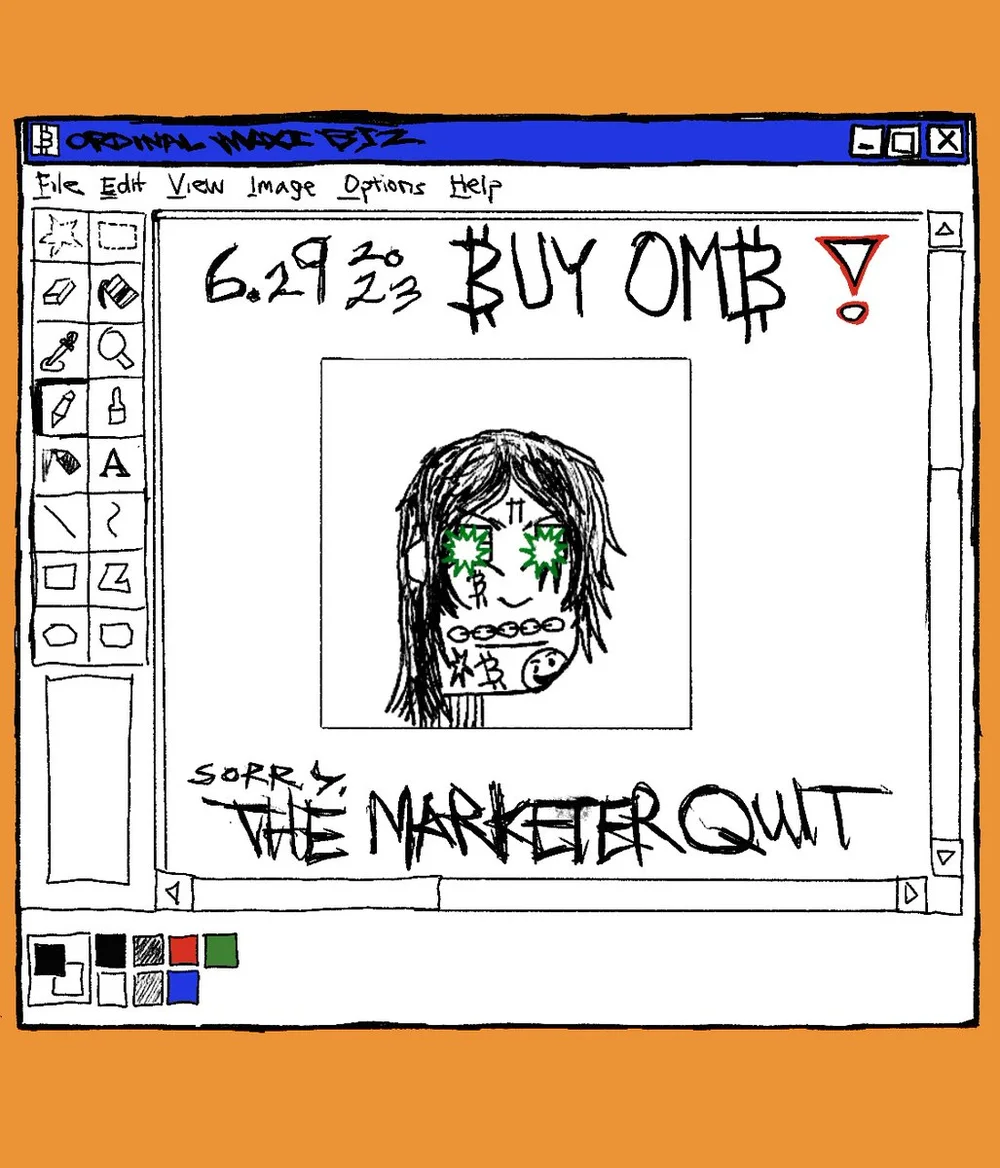
Ordinal Maxi Biz is the largest body of work he has ever produced. Nine thousand drawings executed in ink. One obsessive act, repeated nine thousand times — and committed to the most permanent surface an artist has ever had.
Most collections begin with software. This one began with paper. Notebook pages, crossed-out faces, ink stains, corrections — before the blockchain came the sketchbook.
History becomes metadata. Every tier rests on Satoshi’s coins — except blue.
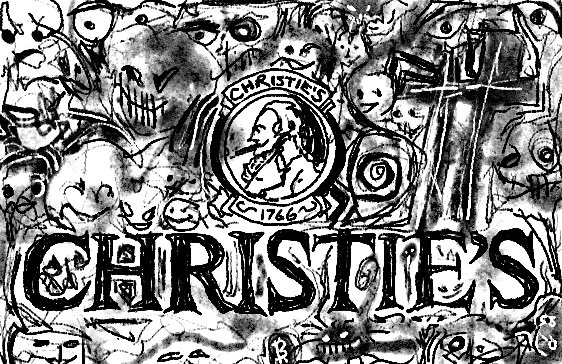
In 2023, two CryptoPunks were sacrificed — #8611, then #9146 — burned on Ethereum for passage here. The old world’s masterpieces, given up for citizenship in the new one.
A pseudonymous collector — ZK Shark, ex–Wall Street — met Tafuro through Twitter Spaces, already collecting his work. Through a sleepless February 2023 they assembled the collection, launching that March, with rare-sat hunter Nullish sourcing the historic coins the drawings live on.
No royalties. No metadata switches. No company between the holder and the artifact. The artwork is CC0, and the community funds OMBounties — grants for open-source work on privacy and decentralisation. A collection that pays forward into the network it lives on.
No migration · No upgrade · No platform · No intermediary
Nine thousand artifacts rest on satoshis Satoshi Nakamoto mined.
Except two hundred.
WITNESS is a private archive.
It studies cultural artifacts native to Bitcoin.
It does not speculate. It does not broker. It does not sell.
Its purpose is preservation. Its method is observation.
Its holdings remain undisclosed.
The blockchain is the first museum whose collection survives its curators.